Jordan Flores · 13 October 2026
Quarry Festivals Shift Timelines and Venues to Counter Changing Weather Cycles
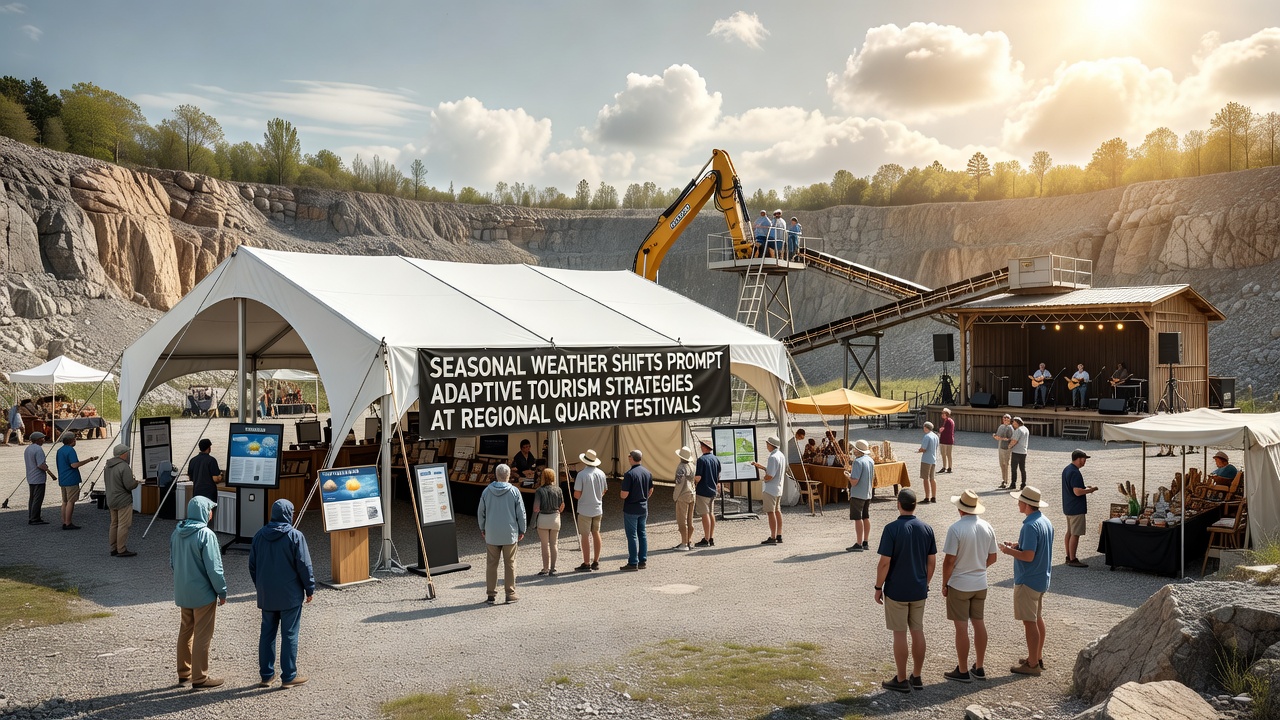
Regional quarry festivals have begun adjusting their schedules and site layouts as seasonal weather patterns show measurable changes across multiple years of records, and these modifications focus on maintaining visitor access while preserving the geological and cultural elements that define the events. Data from monitoring stations indicate shifts in rainfall distribution and temperature ranges that affect outdoor programming, prompting organizers to incorporate flexible infrastructure such as covered walkways and alternative indoor demonstration areas within quarry facilities.
Observers note that events scheduled for October 2026 already reflect these adjustments, with several locations moving main stage activities to earlier or later dates within the month based on updated climate projections. Figures from regional environmental agencies reveal that precipitation events have become more concentrated in shorter periods, which influences crowd flow and equipment setup at quarry sites where terrain can become slippery or flooded.
Climate Records Guide Planning Adjustments
Historical weather datasets compiled by meteorological services show that average autumn temperatures in quarry regions have risen by measurable increments over the past two decades, while the number of dry days during festival windows has declined in some areas. Tourism operators respond by coordinating with local authorities to install temporary drainage systems and elevated platforms that protect both attendees and the quarry surfaces from erosion.
One study from a European research consortium linked these patterns to broader atmospheric changes, and festival coordinators have incorporated the findings into their annual reviews. Similar observations appear in reports from North American and Australian agencies, where comparable adjustments at mining heritage sites demonstrate consistent approaches across different regulatory frameworks.
Examples of Venue and Schedule Modifications
Take the case of a quarry festival in a temperate zone that extended its covered exhibition halls after three consecutive seasons of afternoon thunderstorms disrupted outdoor tours. Organizers added climate-controlled viewing areas for geological displays, and attendance records indicate sustained visitor numbers despite the altered layout. Another location shifted its primary events from mid-October to the first week of the month, aligning with periods that historical data identify as having lower precipitation probability.
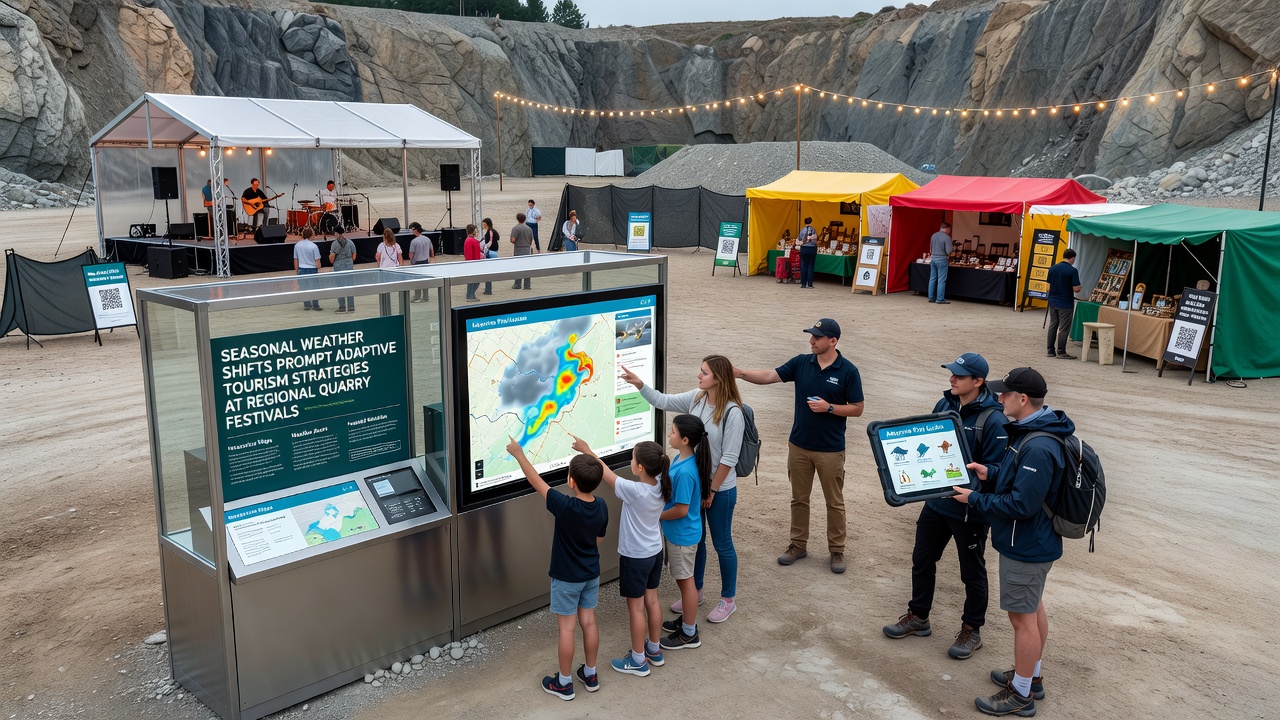
Those who manage these sites often collaborate with transportation providers to reroute shuttles around areas prone to weather-related delays. The result appears in updated event maps that highlight multiple access points and shaded rest zones, features that accommodate both the physical quarry environment and changing visitor expectations.
Integration of Data Sources and Partnerships
Authorities such as the Australian Bureau of Meteorology supply localized forecasts that quarry festival teams cross-reference with on-site sensors, while the European Environment Agency provides broader continental trends that inform multi-year planning cycles. Industry associations focused on heritage tourism share case studies on successful adaptations, and academic institutions contribute research on microclimate effects within excavated quarry basins. These combined inputs allow organizers to test small-scale changes before committing to larger infrastructure investments.
What's interesting is how the same weather variables affect different quarry types: limestone sites may experience faster surface drying than those with clay-rich soils, leading to customized mitigation measures at each location. Research indicates that such site-specific strategies reduce downtime and support consistent programming across the festival period.
Visitor Experience and Safety Protocols
Updated safety guidelines distributed to participants emphasize awareness of sudden weather shifts, and signage at quarry entrances now includes real-time condition updates linked to national weather services. Educational components within the festivals incorporate modules on local climate history, connecting the geological record preserved in the quarry walls to contemporary environmental monitoring efforts.
People who attend these adapted events encounter a mix of traditional quarry demonstrations and new elements such as mobile app notifications for venue changes. Data collected from past seasons show that clear communication about modifications correlates with positive feedback on overall accessibility, even when original plans require alteration.
Conclusion
Quarry festivals continue to refine their approaches as weather monitoring provides ongoing updates, and the strategies developed at these regional sites offer models that other outdoor heritage events may reference. Coordination among meteorological bodies, research groups, and local operators supports the maintenance of cultural programming while addressing the practical implications of seasonal variability.