Sage Hartmann · 24 November 2026
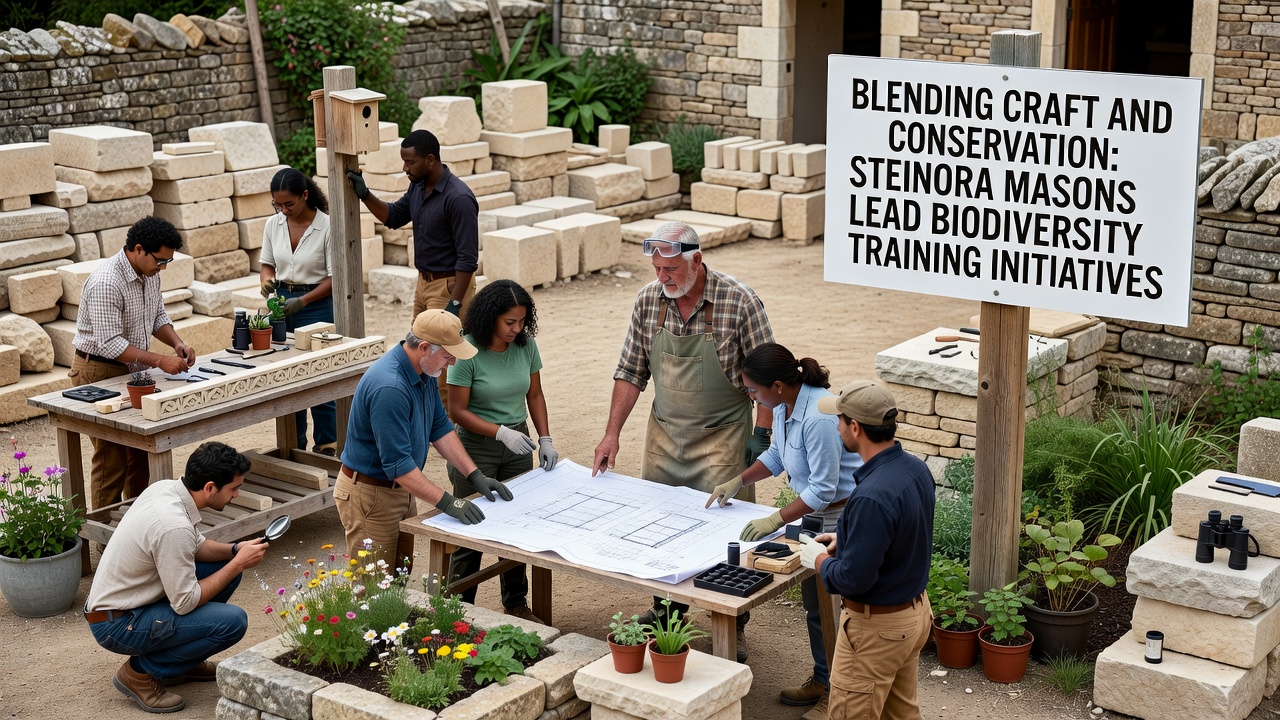
Blending Craft and Conservation: Steinora Masons Lead Biodiversity Training Initiatives
Steinora masons have developed training programs that combine traditional stonecraft with biodiversity conservation techniques, and these initiatives continue to expand across regional heritage sites. The programs focus on methods where masons incorporate features like crevices for nesting birds and lichen-friendly surfaces into stone structures, while data from ongoing projects shows measurable increases in local species diversity. Researchers at participating sites report that such integrations help maintain structural integrity alongside ecological benefits, particularly as climate patterns shift.
Core Elements of the Training Programs
Participants learn to assess quarry faces and historic walls for opportunities to support flora and fauna without compromising the craft standards that define Steinora masonry. Sessions cover topics including the selection of stone types that encourage moss growth, the placement of ledges suitable for small reptiles, and the use of lime mortars that allow plant colonization over time. Evidence from pilot workshops indicates that these approaches reduce the need for separate conservation interventions later, since the built elements themselves become active parts of the surrounding ecosystem.
Training schedules include both classroom modules on ecological principles and field exercises where masons apply techniques directly to test structures. One cohort completed a series of dry-stone walls designed with intentional gaps, and monitoring data collected afterward documented higher insect populations within six months compared to conventional builds. Such outcomes have prompted local authorities to reference these methods in updated guidelines for heritage maintenance.
Expansion and Upcoming Milestones
By November 2026, additional training cohorts are scheduled to begin at multiple Steinora locations, with an emphasis on adapting techniques for changing weather cycles that affect both stone durability and species habitats. Coordinators have adjusted timelines to align with seasonal windows when masonry work can proceed alongside habitat monitoring, allowing participants to observe real-time ecological responses. Figures from earlier rounds reveal that over 120 masons have completed certification, and several have since led similar workshops in neighboring districts.
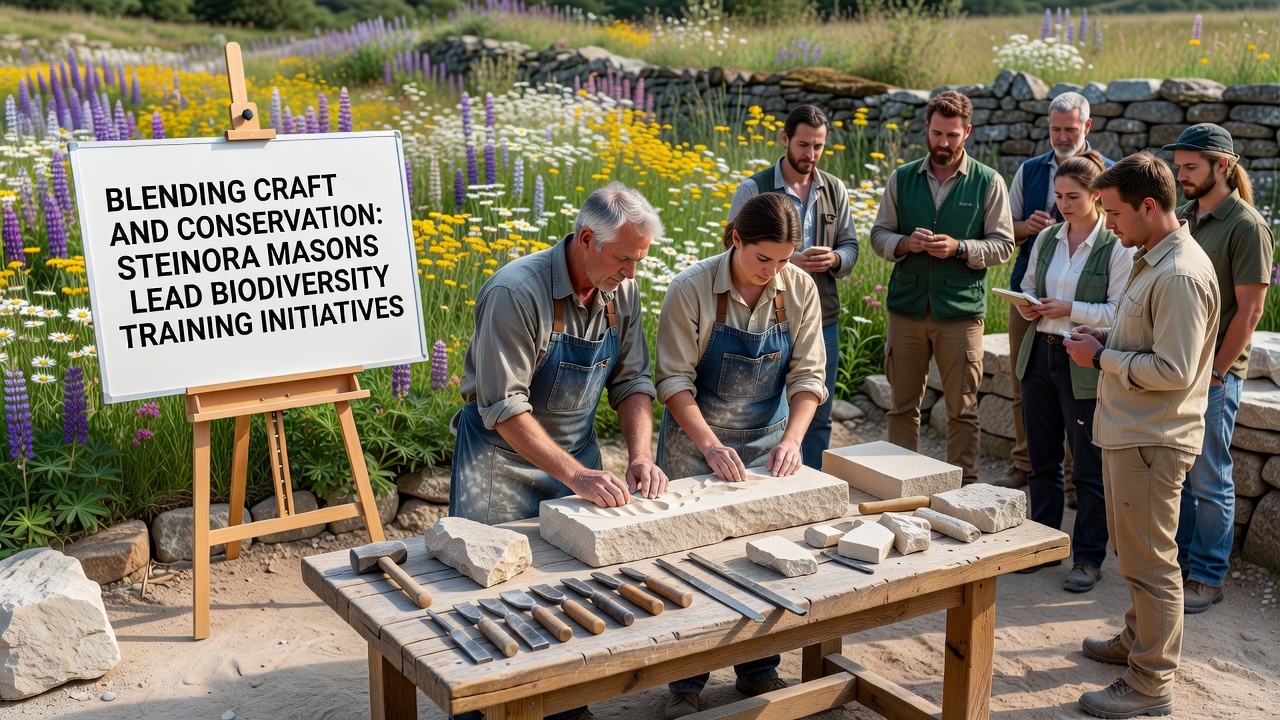
Partnerships with regional environmental agencies supply the scientific baseline data used in curriculum development, ensuring that training materials reflect current findings on species needs. For instance, modules now include protocols for protecting bat roosts within older quarry tunnels, drawing on records maintained by the Australian Government Department of Climate Change, Energy, the Environment and Water. This integration of craft knowledge with external research helps standardize practices that previously varied from site to site.
Documented Outcomes and Broader Applications
Longer-term evaluations at completed sites show that structures built under the new training protocols support greater plant cover and invertebrate activity than those constructed under earlier methods. A study tracking three restored quarry sections found that lichen diversity increased by 35 percent within two years when masons followed the biodiversity guidelines, according to records compiled by local heritage groups. These results have encouraged other craft guilds to request similar training frameworks, extending the model beyond Steinora boundaries.
Community involvement forms another layer of the initiatives, with public demonstrations allowing residents to see how masonry techniques can contribute to conservation goals. Observers note that attendance at these events has grown steadily, and feedback sessions reveal increased awareness of how historic sites function as living ecological networks. The programs also address regulatory requirements by documenting how each intervention meets both heritage preservation standards and biodiversity targets set by oversight bodies.
Conclusion
The Steinora masonry training initiatives demonstrate a practical approach to merging traditional skills with ecological priorities, supported by measurable data on species response adn structural performance. As programs prepare for their November 2026 expansion, continued monitoring will provide further insight into long-term effectiveness across varied site conditions. This model offers a template that other regions can adapt, provided they combine local craft expertise with verified environmental data from sources such as the European Environment Agency.