Jordan Flores · 15 September 2026
Academic Folklore Archives Spark Innovative Dialogues on Historic Site Stewardship
Academic folklore archives have begun to reshape how professionals approach the stewardship of historic sites across multiple regions, and data from several ongoing projects shows this shift accelerating through 2026. These collections preserve oral histories, regional legends, and traditional knowledge that often complement official records, which allows site managers to incorporate community perspectives into conservation plans. Researchers at various universities have documented cases where archived materials directly informed decisions about interpretation, access policies, and restoration priorities.
How Folklore Collections Connect to Site Management
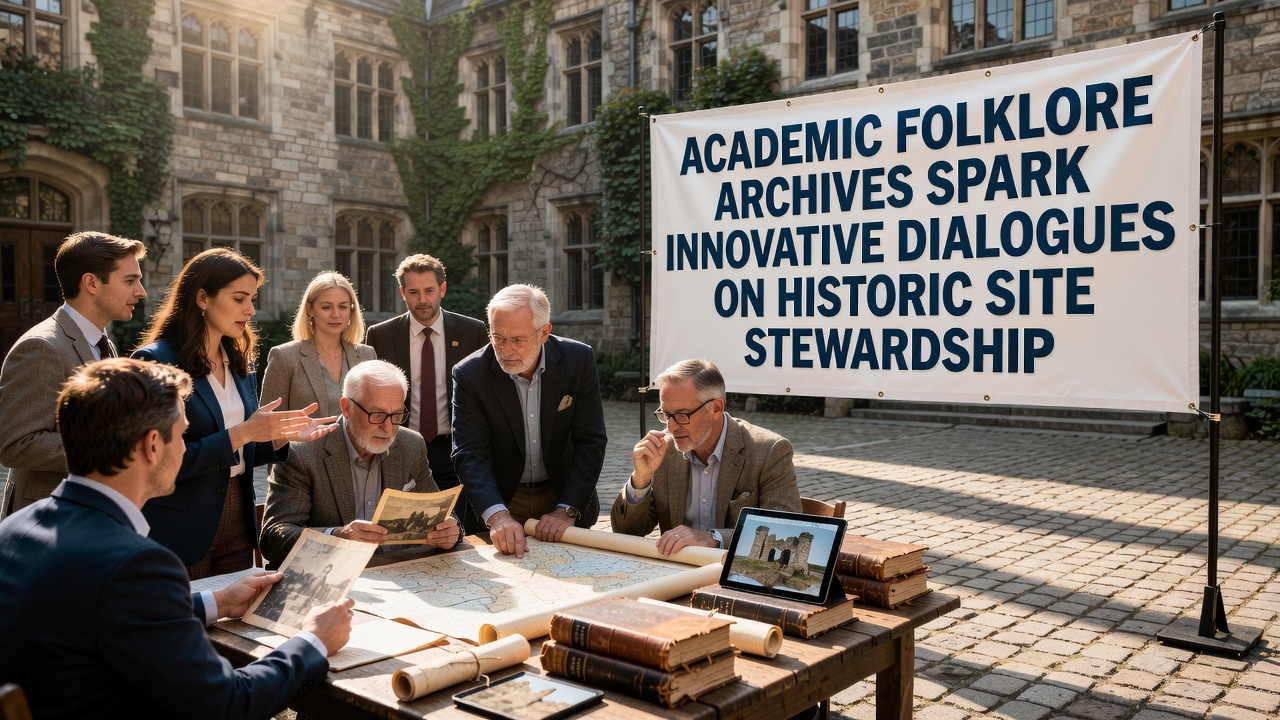
Archivists and heritage specialists have observed that folklore materials frequently contain details about land use, seasonal practices, and sacred locations that written documents overlook, and this information proves useful when developing management strategies for protected areas. For instance, one collaborative effort between a European university archive and a national heritage agency revealed previously undocumented pathways and gathering spots that influenced trail design and visitor education programs. The integration happens through structured dialogues where folklorists, archaeologists, and local representatives review source materials together before finalizing stewardship guidelines.
Studies conducted in North America indicate that sites incorporating folklore data experience higher community engagement rates, since residents recognize their own stories reflected in official narratives. Canada's Library and Archives Canada maintains extensive regional folklore holdings that have supported similar projects at provincial parks, and these records help clarify traditional boundaries that predate modern property lines.
Key Dialogues Emerging in Practice
Workshops organized by academic institutions have brought together archivists and site stewards to discuss practical applications, and participants report that shared examination of manuscripts and audio recordings leads to revised interpretation plans. One case involved a quarry-adjacent historic area where folklore accounts described earlier industrial rituals, which prompted adjustments to educational signage and public programming schedules. These conversations also address ethical questions around ownership and access, particularly when materials originate from indigenous or minority communities.
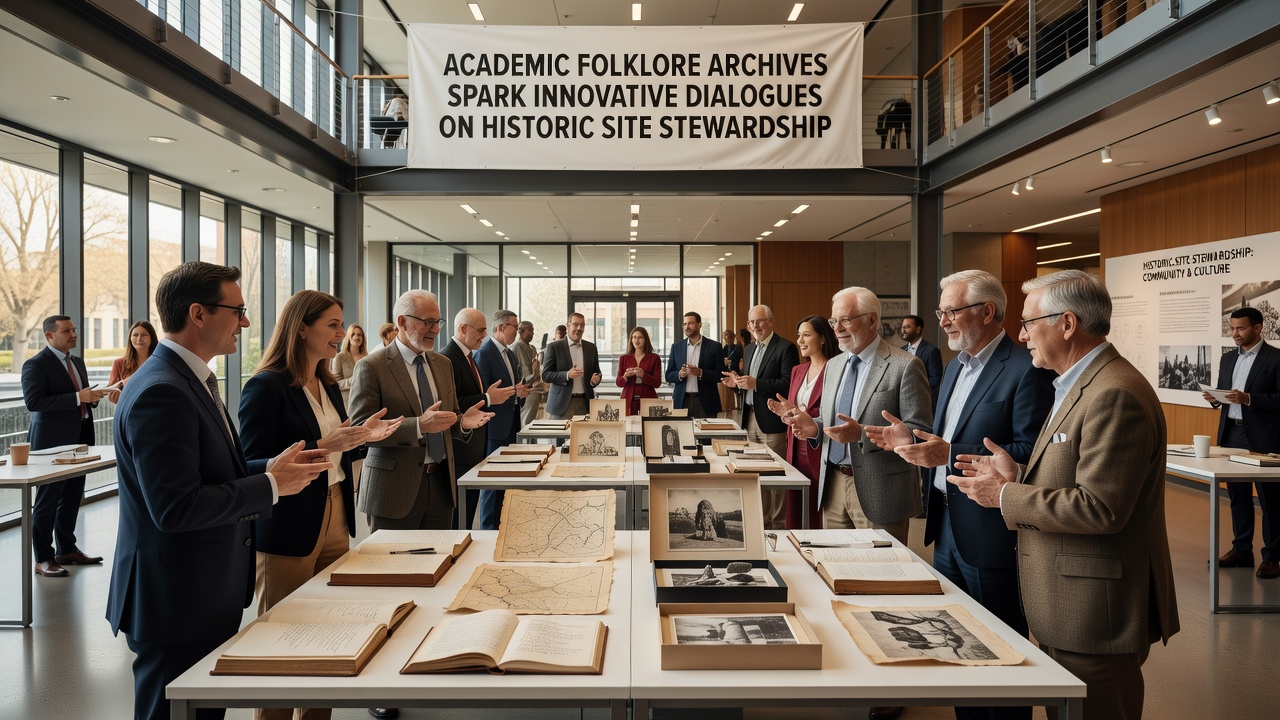
What's notable is how these dialogues extend beyond single sites. Networks linking several universities have started sharing digitized folklore entries that relate to broader landscapes, and this cross-referencing supports regional conservation frameworks. In Australia, the National Library of Australia has contributed folklore collections to discussions about managing coastal heritage zones, where traditional fishing stories helped identify seasonal use patterns relevant to erosion control measures.
Developments Scheduled for September 2026
Multiple institutions have announced plans for a coordinated symposium in September 2026 focused on scaling these methods, and organizers expect representatives from regulatory bodies, universities, and site management teams to participate. Preliminary agendas include sessions on digital archive interoperability and case studies from completed projects. Attendance figures from earlier pilot events suggest strong interest among early-career professionals who seek practical tools for their work.
Evidence from pilot programs shows measurable outcomes such as updated management plans that reference folklore sources explicitly, and these changes often result in more inclusive public outreach. Observers note that the process requires sustained funding for digitization and trained personnel who can bridge archival and heritage disciplines.
Challenges and Emerging Solutions
While progress continues, participants in these dialogues identify ongoing hurdles around data standardization and intellectual property considerations. Archivists have developed protocols that allow selective sharing without compromising sensitive content, and several European and Canadian projects now test these approaches in live settings. Training modules created by university programs aim to equip site managers with basic skills for interpreting folklore materials alongside geological or archaeological data.
Regional differences influence how quickly adoption occurs, yet consistent patterns emerge when teams combine folklore insights with regulatory requirements. Reports from the Australian Heritage Council and similar bodies highlight successful examples where traditional knowledge informed decisions about buffer zones around protected monuments.
Conclusion
Academic folklore archives continue to supply new reference points for historic site stewardship, and the dialogues they generate produce concrete adjustments in planning and interpretation. As the September 2026 symposium approaches, participating organizations expect further refinements to collaborative methods that respect both documented records and community narratives. The pattern shows steady expansion of these partnerships across continents, supported by incremental improvements in digital access and cross-disciplinary training.